Flagship product
AstralMaris
A LatentWinds product bringing agents, their operating software, memory and communication together under human command.
LatentWinds · Innovative Design and Builds, Agent Team Communication / Coordination, Structural Security Principles
“The intelligence of the organization will be moved out to the front lines. We will see an opportunity for much greater decentralization. Everywhere in the organization, capacity will be freed up. What we do with that capacity will be an interesting question.”
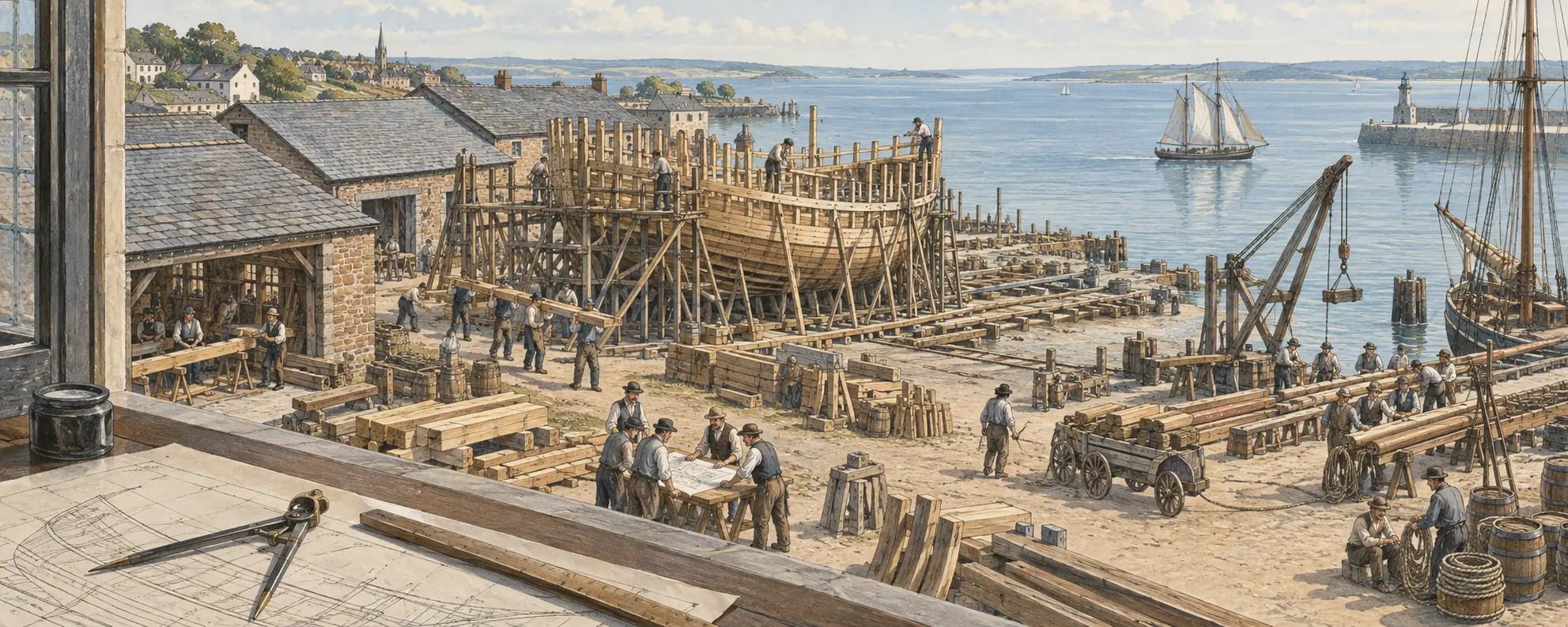
Our greatest gift is finding patterns in nature. We watch branches floating down streams and reach for ships. We turn murmurs into language and tally marks into numbers. We look to the heavens and seek greater forces. Now we face a new pattern, one of our own making, and wonder at what gazes back through the hall of mirrors. These apparitions may tell us much about who we are, or lead us far astray with their siren song. Either way, there is territory to explore and tools to fashion. This is my workshop, and this is my crew. Welcome.
Why We Build
From chat windows to thousands of independent agents, in what feels like a heartbeat. The unease this stirs is reasonable, and it is not new. Every great shift in technology has opened with disruption. Whether it ended in opportunity depended on what people chose to build next.
We build for that second chapter. Our conviction is simple: intelligence can come from anywhere, but authority over it belongs with the people who answer for the work. So we design systems where agents do real work in the open, within limits that can be tested, under controls that stay in human hands.
Trust is not a matter of hope. It is a matter of good engineering.
What we build
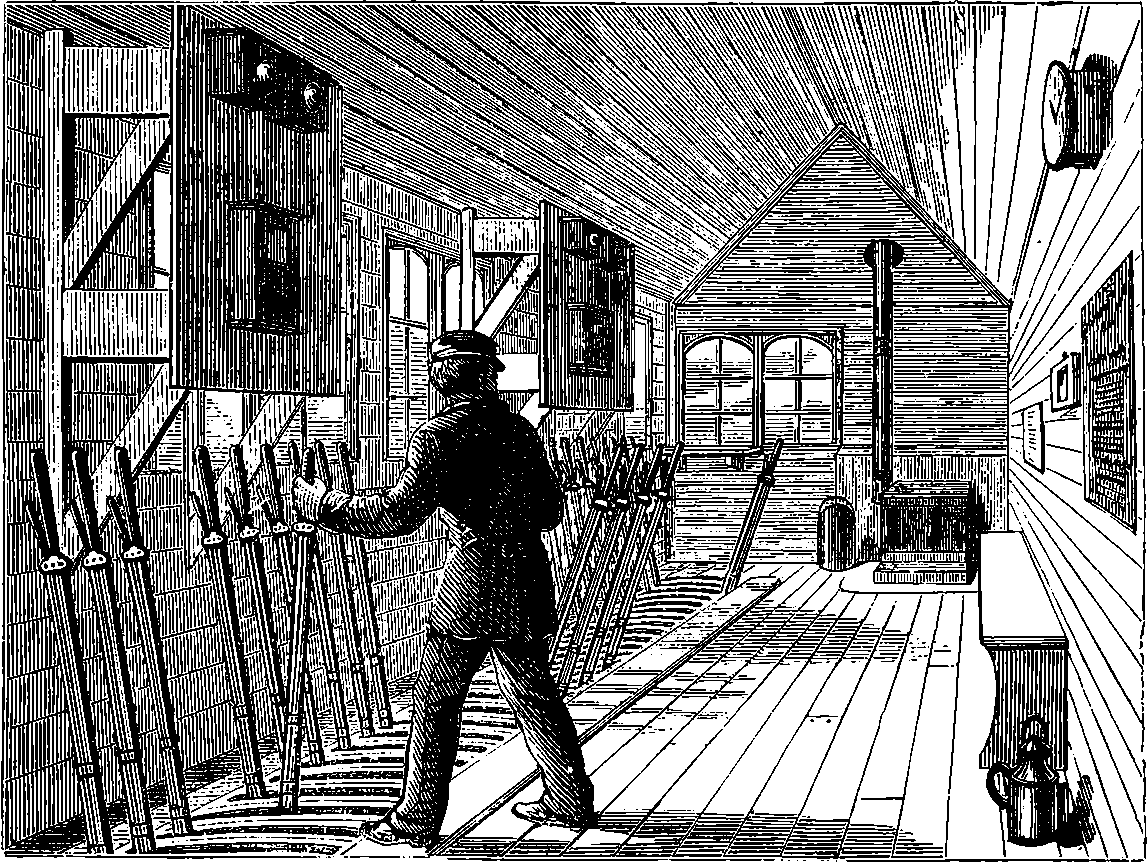
Our infrastructure work connects five concerns. Each needs an explicit design, a way to test it and a person responsible for its operation.
Identify each agent and service. Limit the data, tools and actions available to it. Keep permission to act separate from the messages it receives.
Connect agents and services through defined interfaces. Preserve the messages, working state and records needed to continue after interruption.
Make environments reproducible, configuration explicit and releases reviewable. Plan how a change is introduced, checked and reversed.
Record what acted and what changed. Make failures visible, provide ways for people to intervene, and test how the system returns to service.
Decide what may start an agent, what it may spend, how many tokens were consumed per task and what may stop it
How We Build
This began several years ago as cut-and-paste code across several chat windows — small tools, and tests of what the models could and could not do. As the models advanced, so did the design and the process: toward whole systems, with a lot thrown away each time a more capable model arrived, foundation and open source alike. Today I work with a changing team of models, each in a third-party or provider’s harness, exploring the best ways to design and build secure, resilient systems with agents. We are all learning here. The power of what exists now, and what may come, is reason enough to share. I don’t claim this is the right way, or even the best — only that it is what has worked for me.
From the LatentWinds shop
AstralMaris is our flagship product. The pages below describe the systems, supporting infrastructure and practice behind them.
Flagship product
A LatentWinds product bringing agents, their operating software, memory and communication together under human command.
Communication infrastructure
“Bright bridge”: infrastructure for communication between agents. AstralMaris uses it; its engineering and development path stand on their own.
Agent supervision · in development
A supervisor being built for agent work: permission to start, a limit on each run and a record of how it ends. Works with ming-qiao.
Work with LatentWinds
Architecture review, agent-system design and technical counsel for organizations building and operating these systems.
Inspect the work
The principles, boundaries and evidence behind the engineering. Start with the work a system must do and the authority it needs.
Read each project’s stated scope, development stage and limitations when assessing it for use. A published design is not evidence that every deployment requirement has been met.
Start with the task, the existing environment and the consequences of failure. We can examine the architecture and the infrastructure it will require.